Ötzi the Iceman's digital twin
A new scientific article in the renowned journal "Heritage" presents the most comprehensive digital twin of the Iceman and his equipment to date. For the first time, high-resolution images of the body’s surface were combined with three-dimensional CT data from inside the mummy. The project, commissioned by the South Tyrol Museum of Archaeology, opens up new possibilities for research, preservation, and public outreach.
Bolzano, September 9, 2026 – Ötzi can now be examined even more precisely without needing to remove the delicate mummy from his refrigerated cell. An interdisciplinary team led by archaeologist Luca Bezzi of Arc-Team has created a high-fidelity digital twin of the Iceman. On August 26, 2026, the results were published in the international journal Heritage under the title “Preserving the Past: The 3D Documentation of Ötzi, the Iceman Mummy, and Its Archaeological Context.”
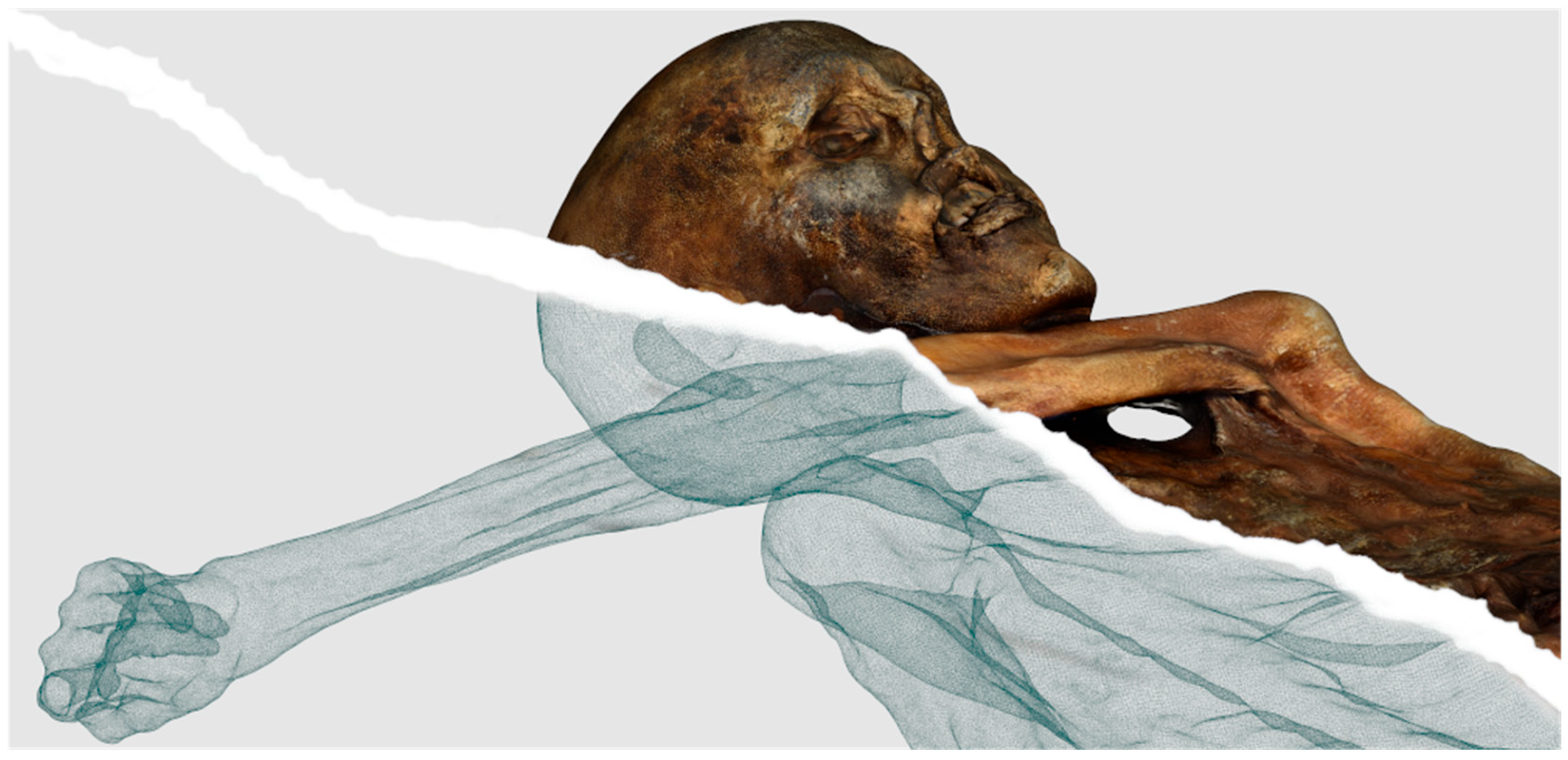
Digital twins are already widely used in archaeology and the preservation of cultural heritage. The Ötzi Project, however, takes a crucial step further: It combines different imaging and reconstruction methods and, for the first time, integrates high-resolution documentation of the mummy’s external surface with three-dimensional CT data from the mummy’s interior into a single model. This allows the skeleton and surface of the mummy to be examined virtually and documented for preservation purposes.
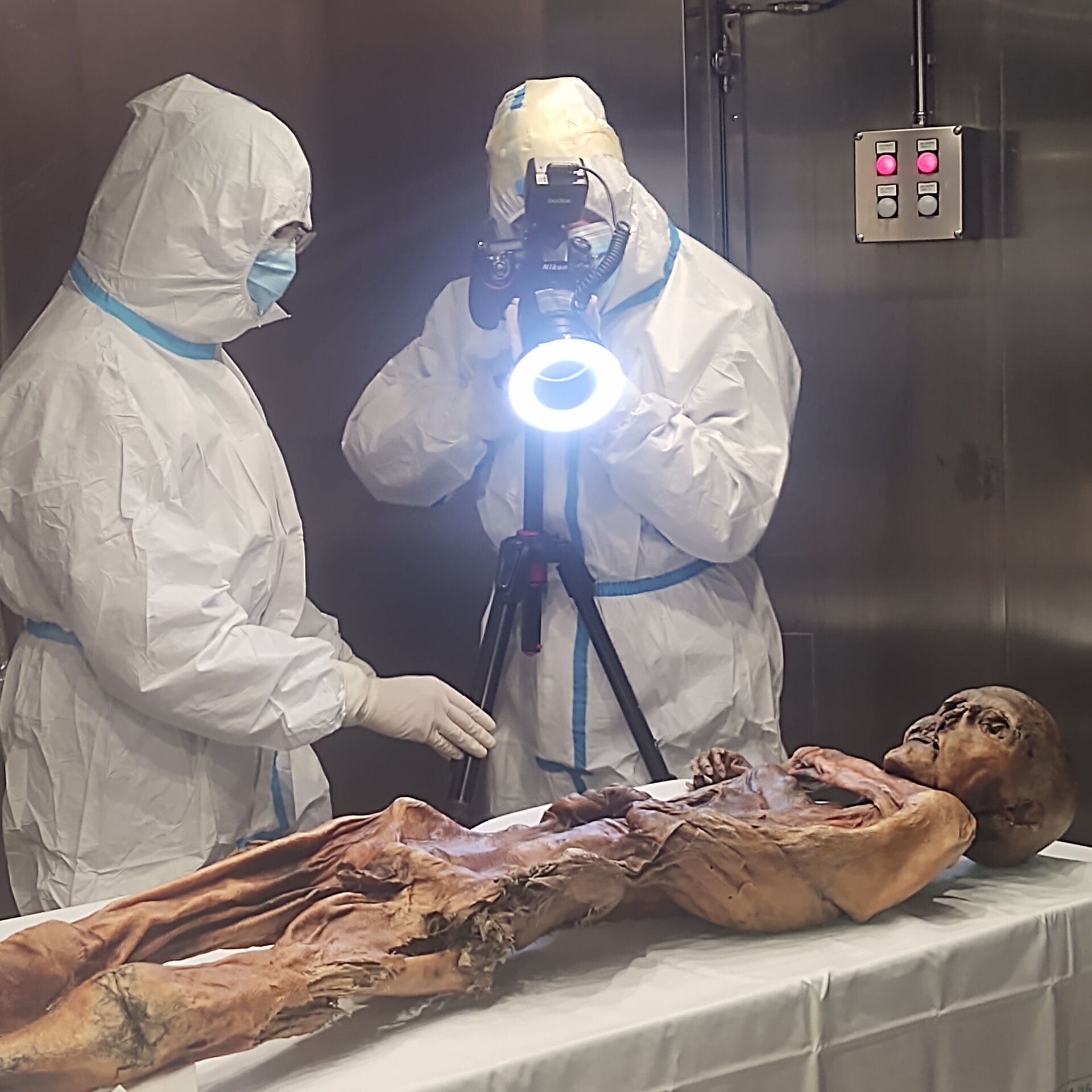
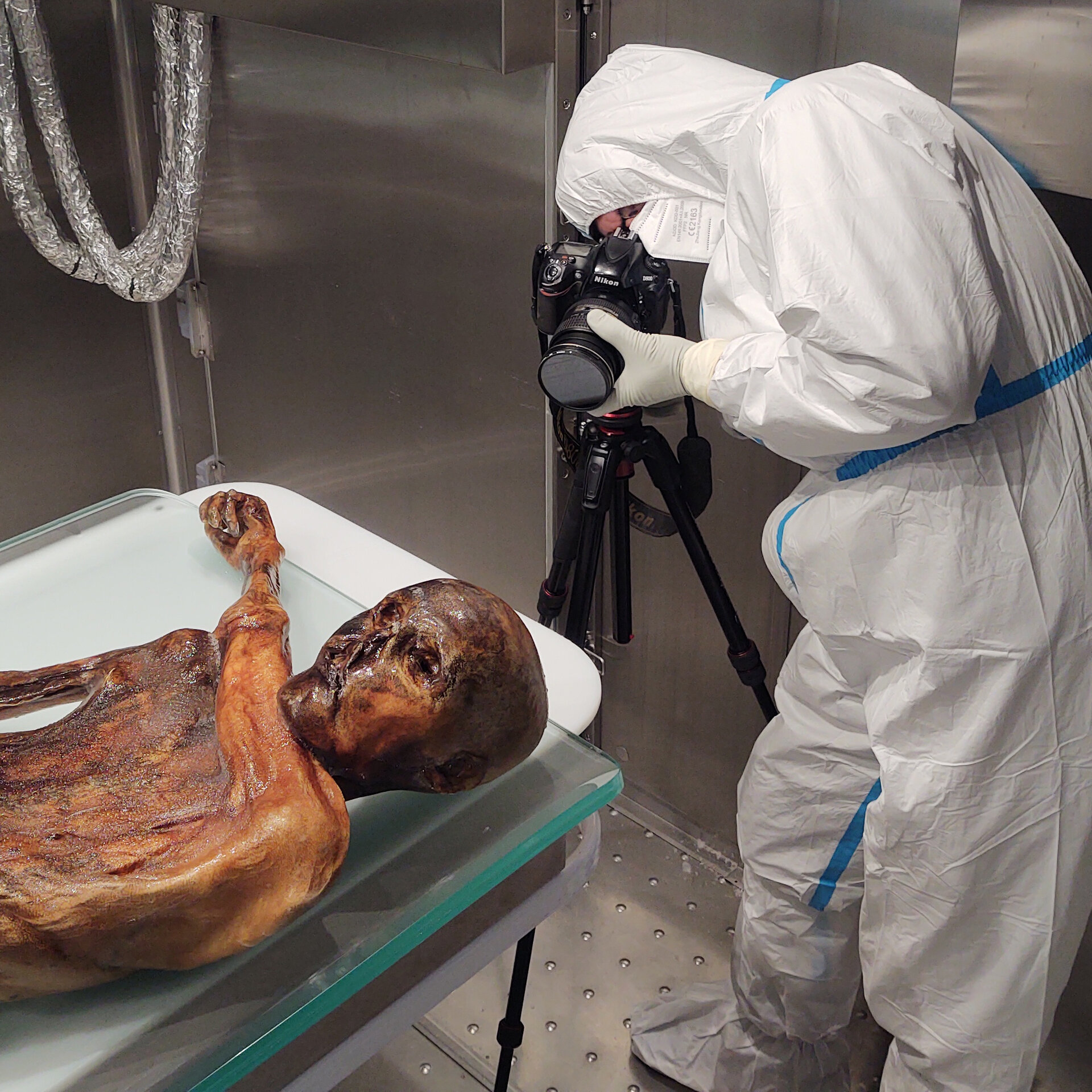
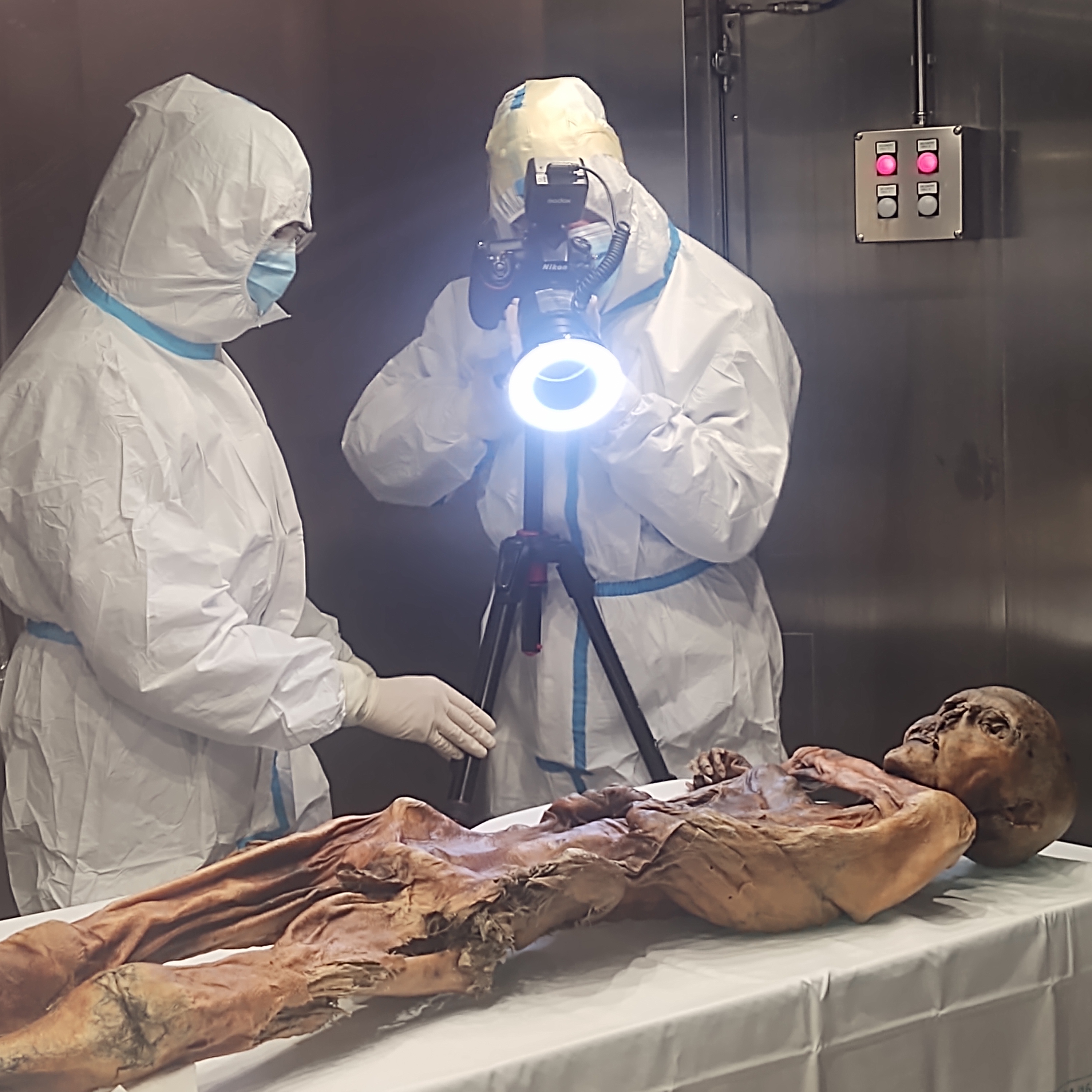
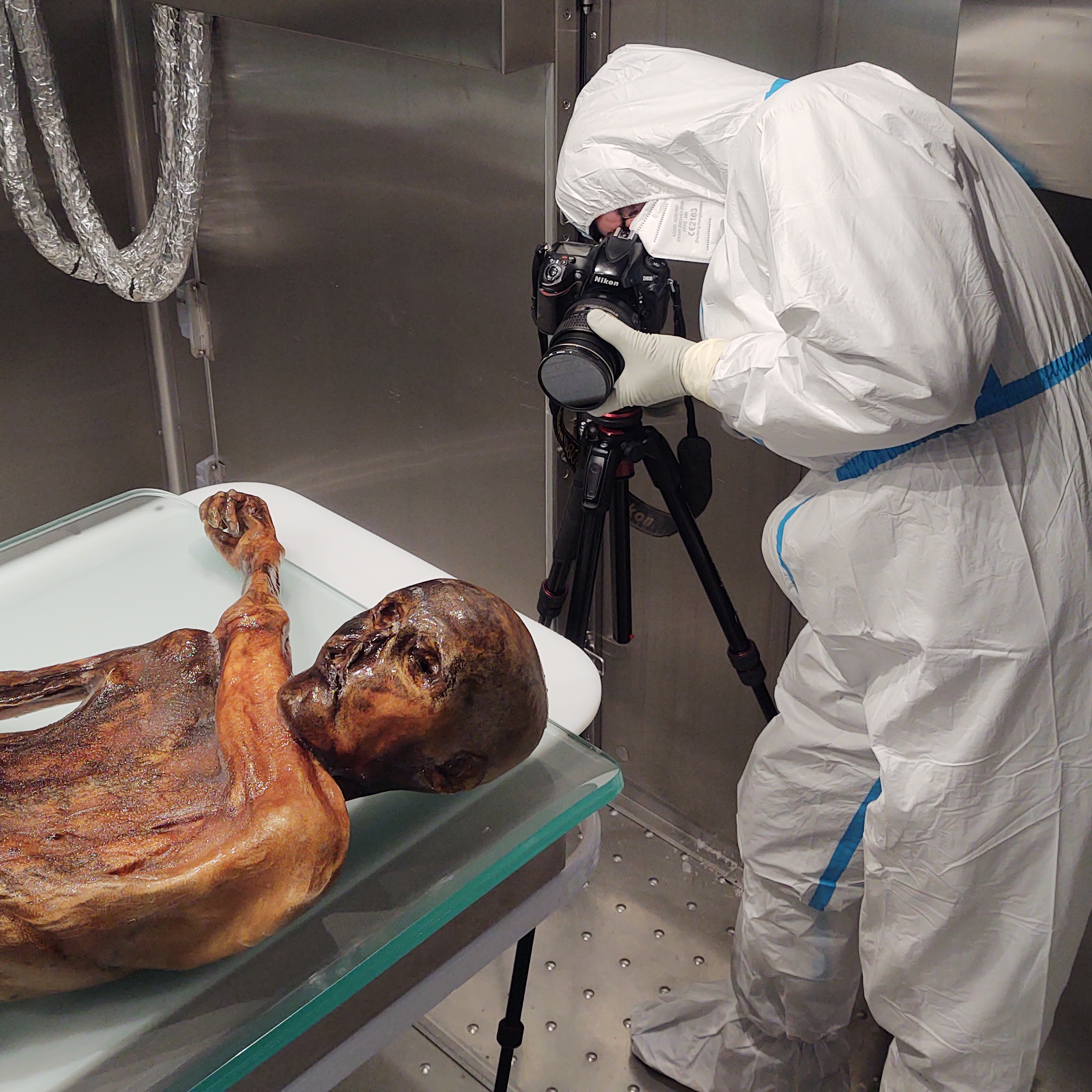
The external 3D model is based on 1,294 high-resolution photographs of the front and back of the mummy. A precise three-dimensional model was calculated from overlapping individual images using a technique known as Structure from Motion photogrammetry. The protective layer of ice on the mummy presented a particular challenge: its reflective surface can interfere with the digital reconstruction process. This led the team to develop a special imaging technique using polarized light, which dramatically reduces disruptive reflections. The spatial resolution of the resulting model is in the submillimeter range.
In a subsequent step, the model of the surface was combined with data from the most recent whole-body CT scan, which had been done at the Bolzano Hospital in 2021.
In the future, a web-based application will make it possible to visualize, measure, and virtually examine the digital twin from different angles and across various planes. This will allow researchers to look for answers to scientific questions without physically moving the mummy or examining him outside of his controlled preservation environment.
“What’s special about this digital twin is not just its high accuracy, but the integration of different data layers. For the first time, we can examine Ötzi’s external body surface and his internal anatomical structures in a single three-dimensional model. This creates a versatile tool for preservation, archaeological, and forensic research,” explains Luca Bezzi, lead author of the study and project leader at Arc-Team.
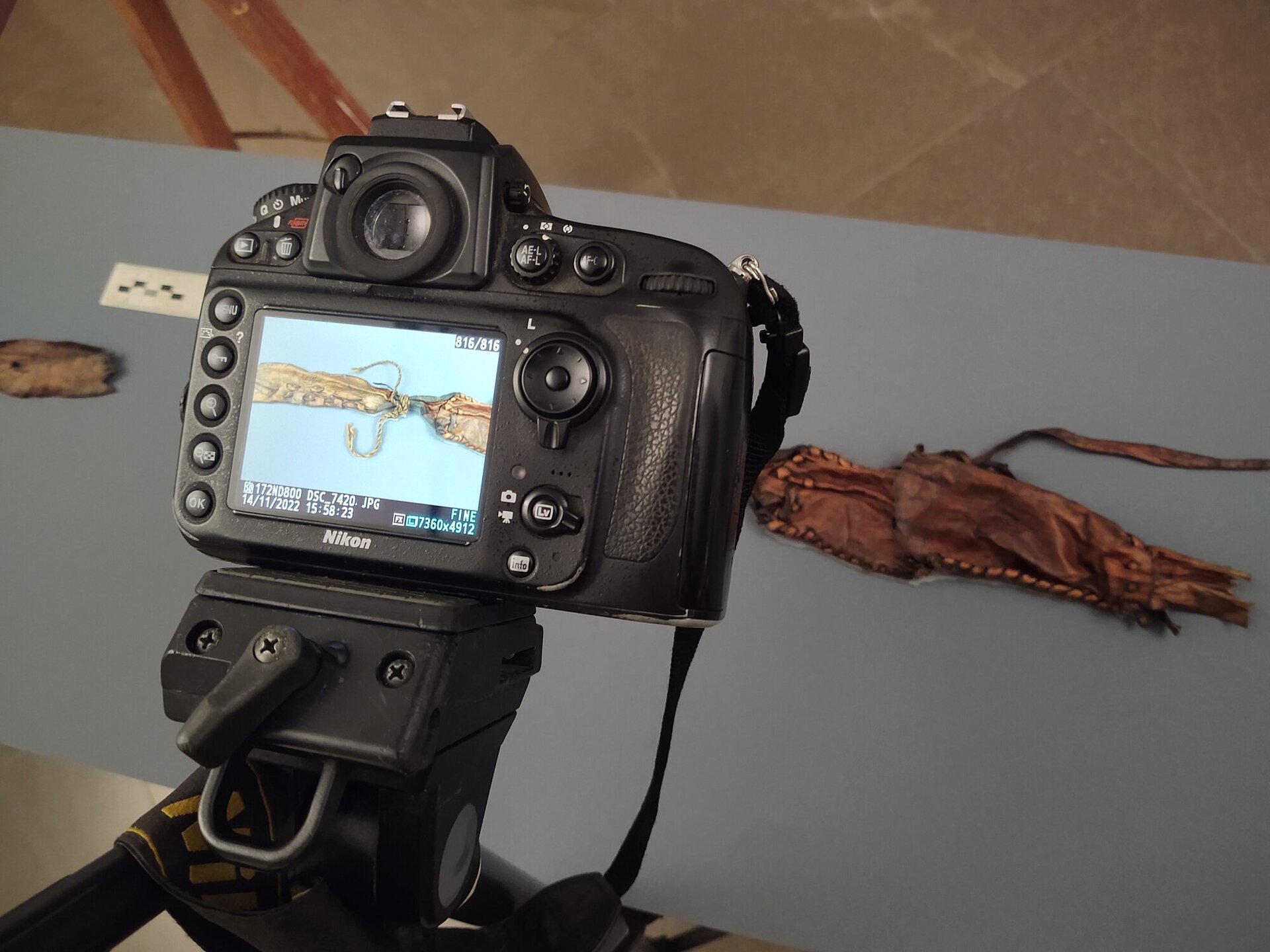
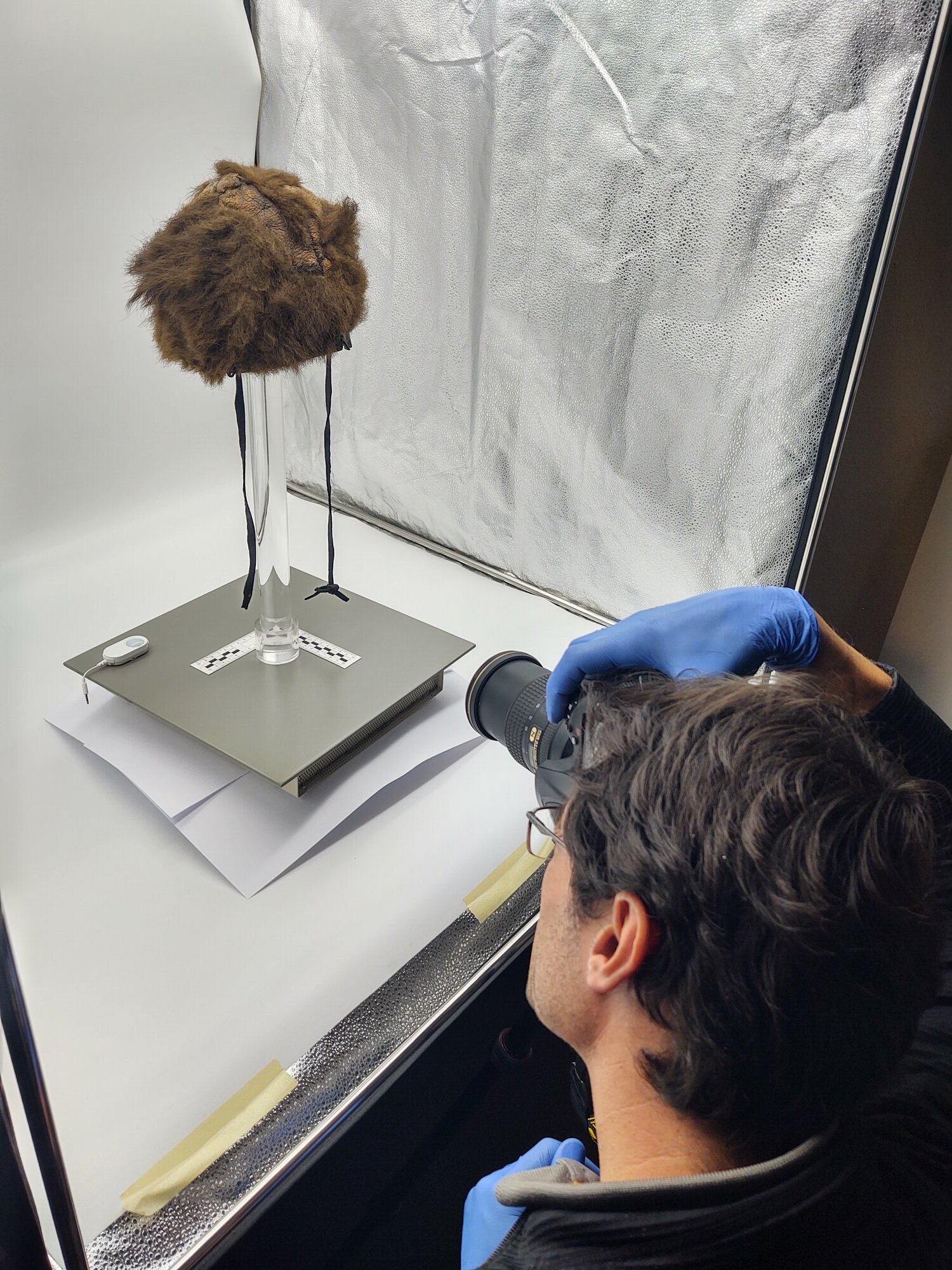
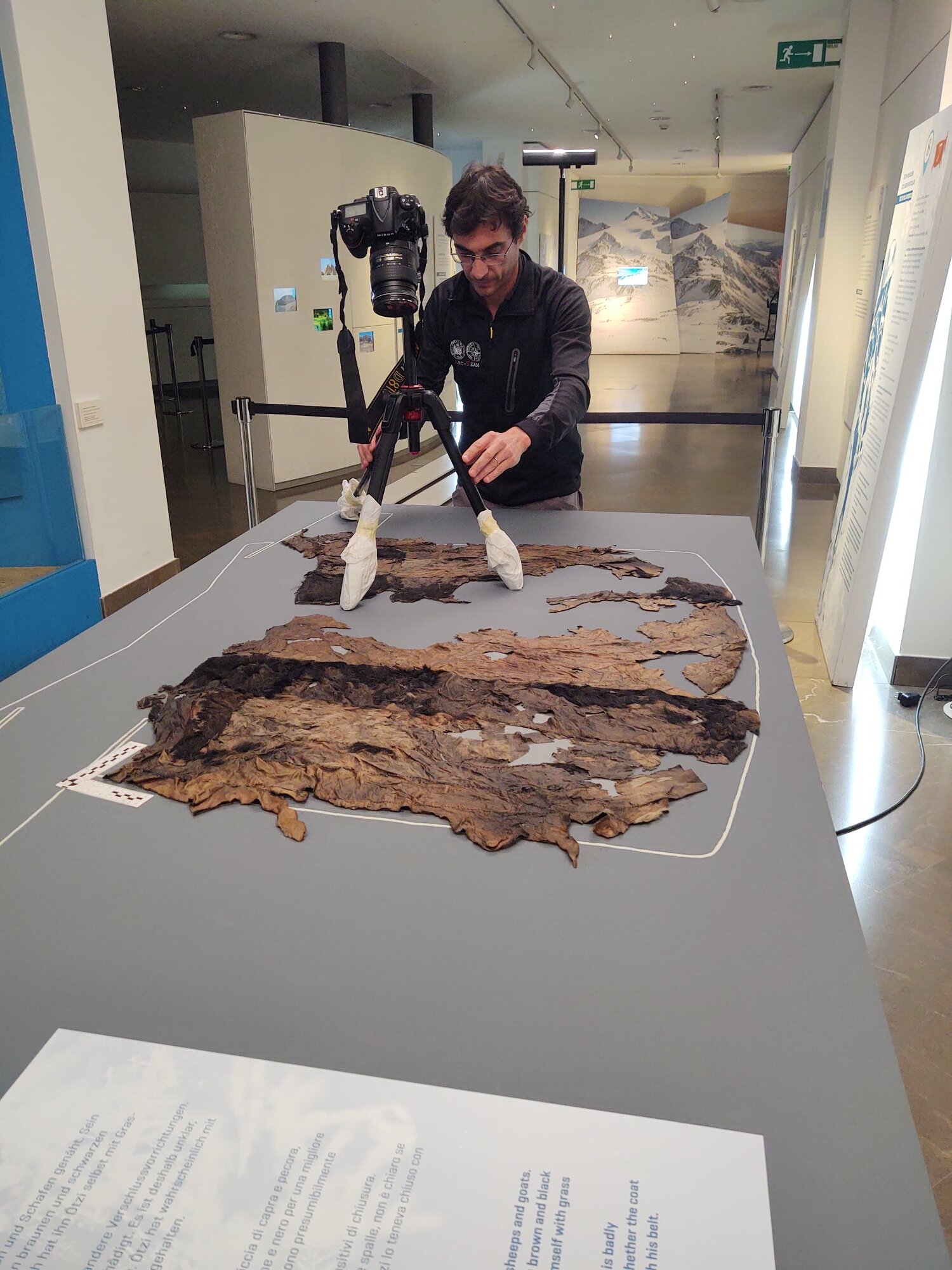
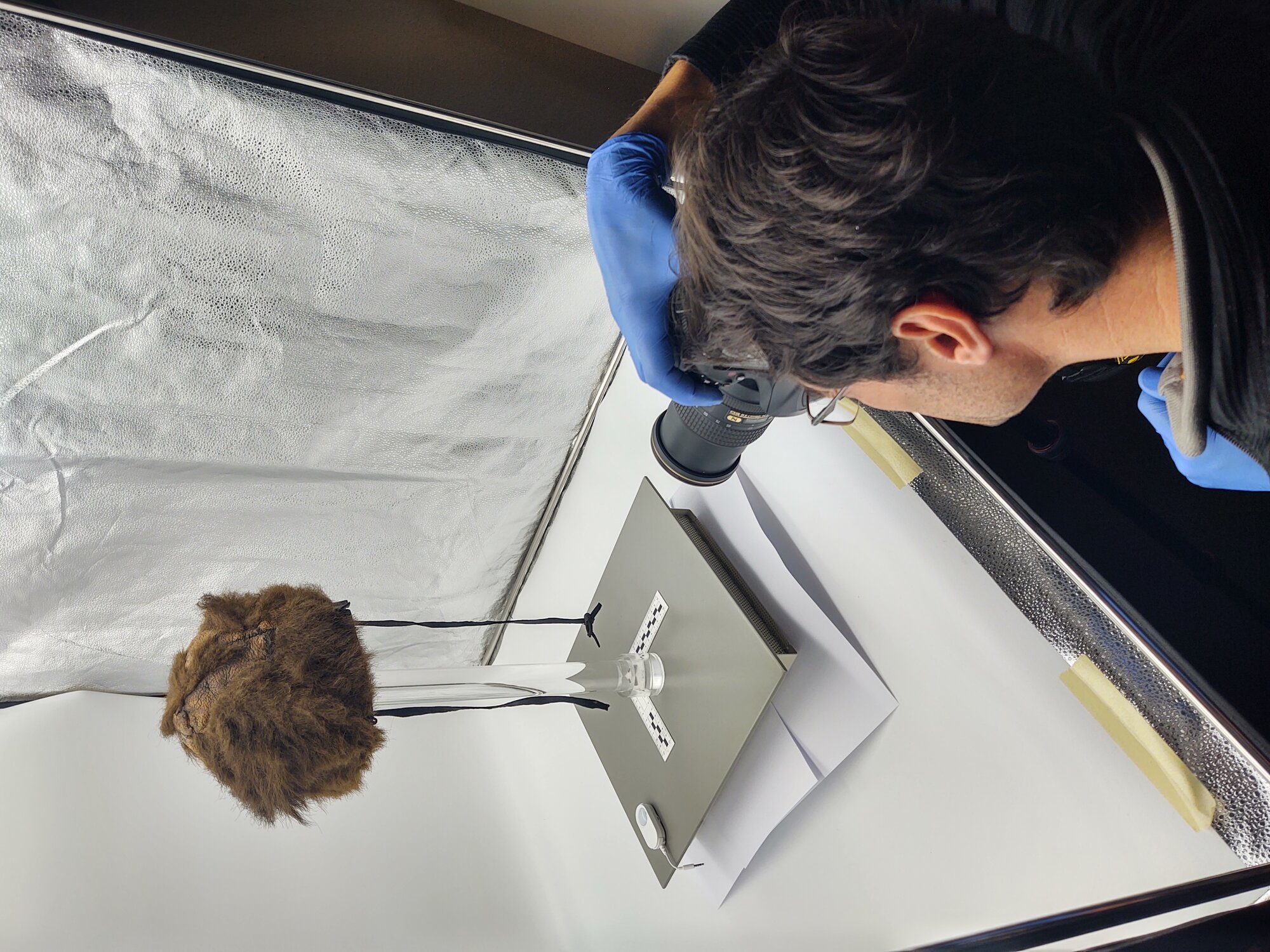
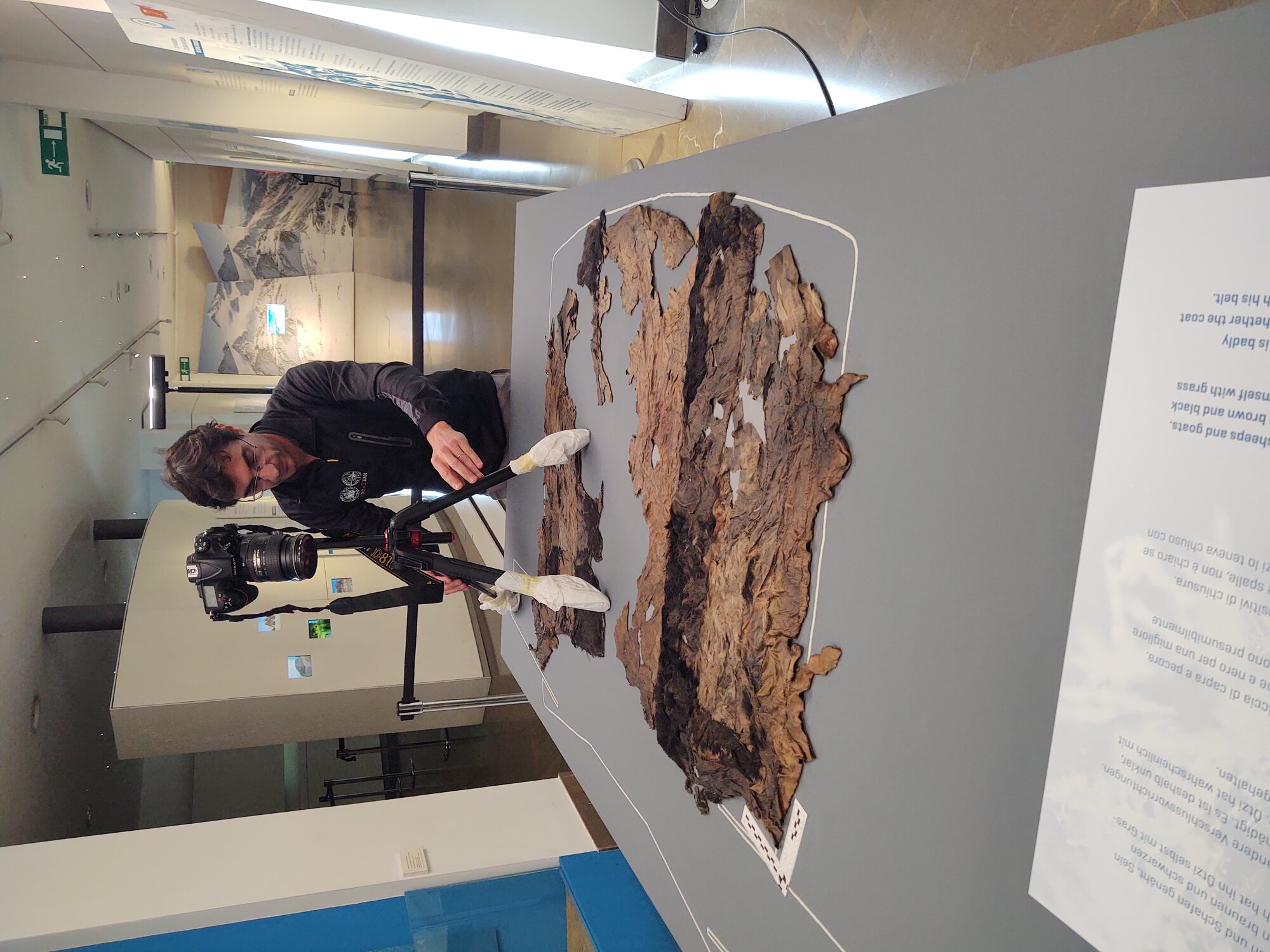
In addition to the mummy, important parts of Ötzi’s Copper Age equipment and clothing were also documented. Since leather, fur, wood, copper, plant fibers, flint, skin, and ice all reflect light very differently, the imaging technique had to be adapted to each type of material. For the bearskin cap, neural radiance fields were also used with the aid of artificial intelligence. These can capture the complex spatial structure of the fur, which can only be represented in a simplified form using conventional polygonal 3D models.
Documentation creates a precise digital record of an object’s physical state at a specific point in time for preservation purposes. If imaging is repeated at regular intervals, then even slight changes can be detected and quantitatively compared. This can help to identify changes to the surface at an early stage and verify the long-term effectiveness of preservation conditions.
“Our most important task is to permanently preserve the Iceman and his unique equipment while also facilitating scientific research,” emphasizes Elisabeth Vallazza, director of the South Tyrol Museum of Archaeology. “Digital twins bring both of these goals together: they document the condition of the objects with unprecedented accuracy, protect the objects, and make valuable research data available for long-term use.”
Every step of the project was implemented using Free/Libre and Open-Source Software. This ensures that the process remains transparent, traceable, and open to further technical development. At the same time, it forms a sustainable foundation for future research and new public outreach programs.
In August 2025, the initial results of the project were presented and discussed before an international audience of experts at the XI World Congress on Mummy Studies in Cusco, Peru. The peer-reviewed study, which has now been published, describes the complete methodological process for the first time and the potential ways that the digital twin can be used.
Photos:
Iceman Twins associated finds Heritage 1 (c) South Tyrol Museum of Archaeology - Arc-Team:
The digital twin of Ötzi the Iceman. The image shows both the high-resolution textured 3D mesh and its underlying polygonal wireframe representation
© South Tyrol Museum of Archaeology / Arc-Team
Iceman Twins associated finds Heritage 2 (c) South Tyrol Museum of Archaeology - Arc-Team:
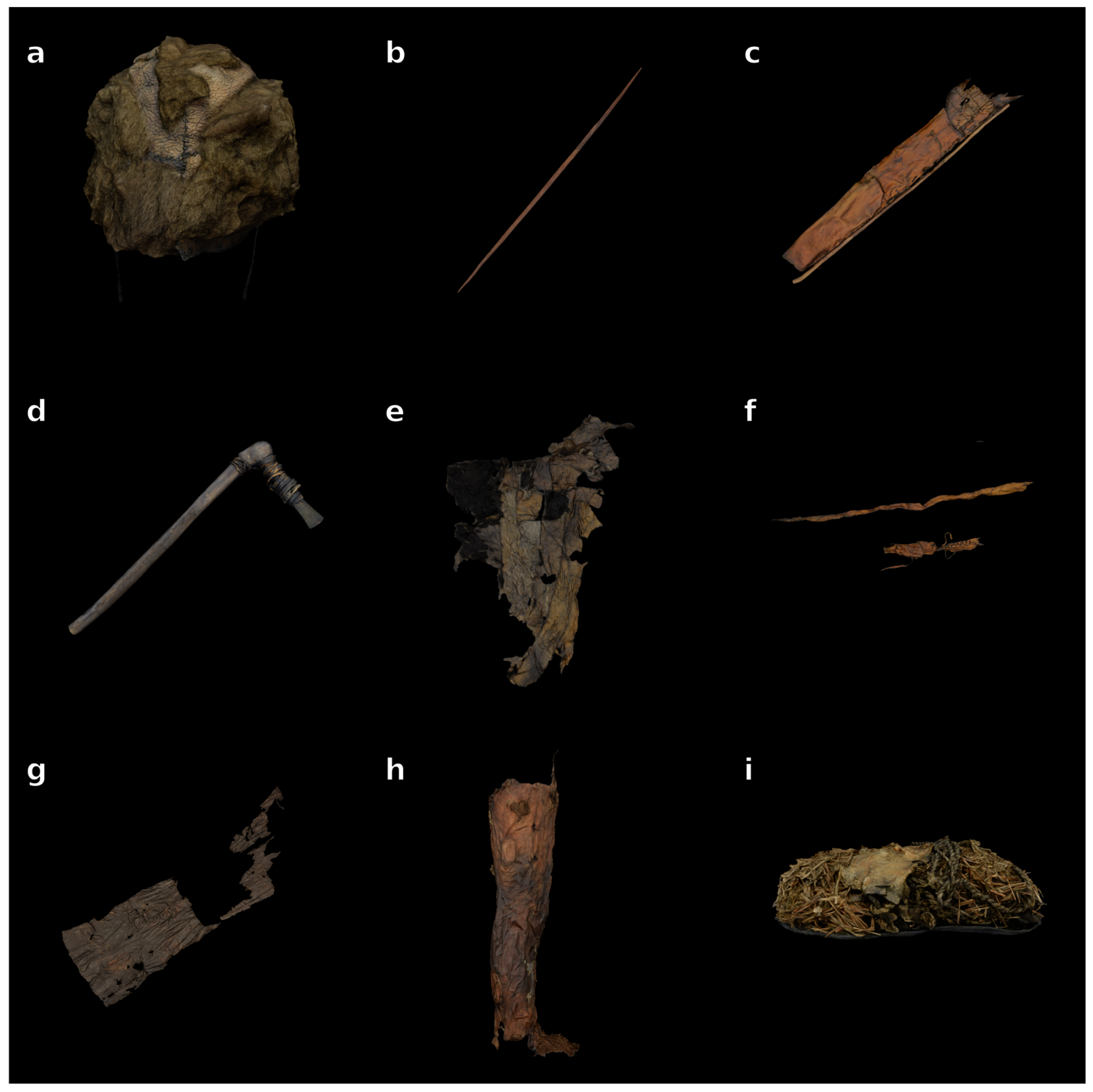
3D digital documentation of some of the Iceman’s archaeological garments and equipment obtained via Structure from Motion (SfM): (a) bearskin cap; (b) bow; (c) quiver; (d) yew axe; (e) hide coat; (f) belt and pouch; (g) loincloth; (h) legging; (i) shoe. Note: The objects are not represented to the same scale; each item has been scaled independently to optimize individual visibility and detail preservation within the layout.
(c) South Tyrol Museum of Archaeology / Arc-Team
Iceman Twins associated finds mummy 1 (c) South Tyrol Museum of Archaeology - Arc-Team:
Iceman Twins associated finds mummy 2 (c) South Tyrol Museum of Archaeology - Arc-Team:
Image acquisition for the photogrammetry project in the Iceman research laboratory.
© South Tyrol Museum of Archaeology / Arc-Team
Iceman Twins associated finds belt (c) South Tyrol Museum of Archaeology - Arc-Team:
Iceman Twins associated finds cap (c) South Tyrol Museum of Archaeology - Arc-Team:
Iceman Twins associated finds coat (c) South Tyrol Museum of Archaeology - Arc-Team:
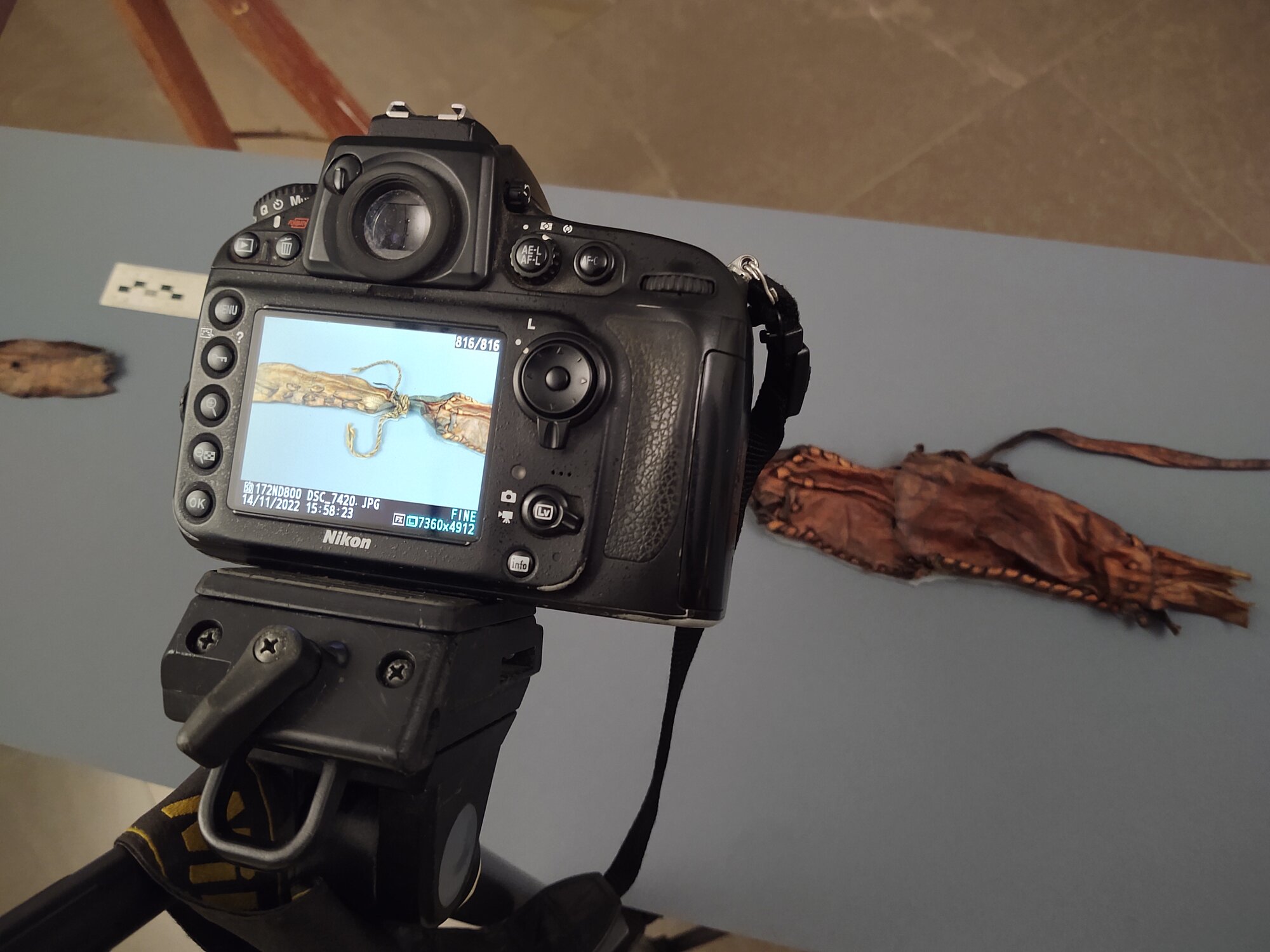
Image acquisition for the photogrammetry project on the Iceman’s associated finds.
© South Tyrol Museum of Archaeology / Arc-Team
All press images may be used free of charge, provided the copyright credit is correctly stated.
Press office
Katharina Hersel
South Tyrol Museum of Archaeology
Museumstr. 43, I-39100 Bolzano/Bozen, Italy
T +39 0471 320114
press@iceman.it , www.iceman.it
# OetziTheIceman